Environmental Management
Protecting the environment and minimizing our industrial impacts are integral to our responsibility as a Canadian steel company.
Our activities have the potential to affect air, water, land, ecosystems and surrounding communities, making effective environmental management essential to maintaining our license to operate, meeting regulatory expectations and supporting long-term business resilience.
Environment Management & Energy Management System
Our ISO 14001 certified Environment Management System and ISO 50001 certified Energy Management System play an important role in ensuring the responsible management of the sites environment and energy impact as well as consistent and regular environmental data. These certifications require the monitoring, active management and continuous improvement of environment and energy impacts.
Our Environment Management System, certified to ISO 14001, includes provisions to ensure compliance with all Ontario Ministry of Environment, Conservation and Parks regulations through our Environmental Compliance Approval (ECA) including noise and vibration, emissions to air, spills and leakage, waste, by-product, and production residue management, water usage and biodiversity. Our site is regularly audited by the Ontario Ministry of Environment, Conservation and Parks as well as the Government of Canada Ministry of Environment and Climate Change Canada. We also participate in internal compliance audits against various environment procedures, policies and practices.
In addition, for many years ArcelorMittal Dofasco has participated in the Hamilton Air Monitoring Network (HAMN), the Hamilton Industrial Environmental Association and Clean Air Hamilton, which are all local groups that have an interest in the ongoing monitoring and long term improvement of air quality in the area.
Reducing impacts on air, water and land
Reducing impacts on air, water and land is a key environmental priority for us, driven by our commitments to responsible, sustainable environmental management, community expectations and regulatory requirements.
This includes a major focus on reducing dust, NOx and SOx emissions from our operations, reducing water use and protecting water quality, and minimizing our use of and impacts on land.
ArcelorMittal Dofasco is committed to responsibly managing water resources and collaborates with various community partners to ensure sustainable practices at its integrated steel mill in Hamilton, Ontario.
The facility spans nearly 800 acres and is primarily supplied with bay water from Lake Ontario, used mainly for non-contact cooling in steel production. We also use city water in smaller quantities, which is mostly returned to the city's sanitary sewer system.
Our water-related infrastructure includes piping and distribution systems, conveyance and wastewater treatment systems, a stormwater pond, and storm and sanitary sewers. These systems are essential for managing water intake and discharge, ensuring efficient operations and compliance with environmental regulations.
Our vision and goals include improving water use efficiency, enhancing water quality in discharges to Hamilton Harbour, and minimizing adverse impacts on the community and the environment.
We emphasize continual improvement through partner engagement and performance tracking. This includes reporting, as well as methods for measuring and monitoring water use and efficiency.
Our Energy & Environment Department provides oversight for managing the implementation of these strategies and ensuring we meet our water stewardship goals. Please contact us if you are interested in learning more about our water quality objectives.

Public Reporting and Disclosure
We monitor air, water, energy and residue data, reporting the data as required by Environment and Climate Change Canada, Ontario Ministry of the Environment, Conservation and Parks and the City of Hamilton.
These regulatory agencies hold us accountable to monitoring and reporting requirements.
Our Emission Summary and Dispersion Modeling Report is available upon request.
National Pollutant Release Inventory
We provide an annual report of air, land and water pollutant releases and disposals/transfers for recycling to Environment Canada’s legislated, publicly accessible inventory, National Pollutant Release Inventory (NPRI).
Learn more about ArcelorMittal Dofasco's NPRI filings.
Emissions Summary and Dispersion Model
Each year, we update and verify information on air emissions sources and complete an Emissions Summary and Dispersion Model (ESDM). This approach uses an air emissions model approved by the Ontario Ministry of the Environment, Conservation and Parks to predict the concentration of different parameters at our fence-line and in the community. ArcelorMittal Dofasco’s compliance is assessed using the Model.
Protecting biodiversity and ecosystems
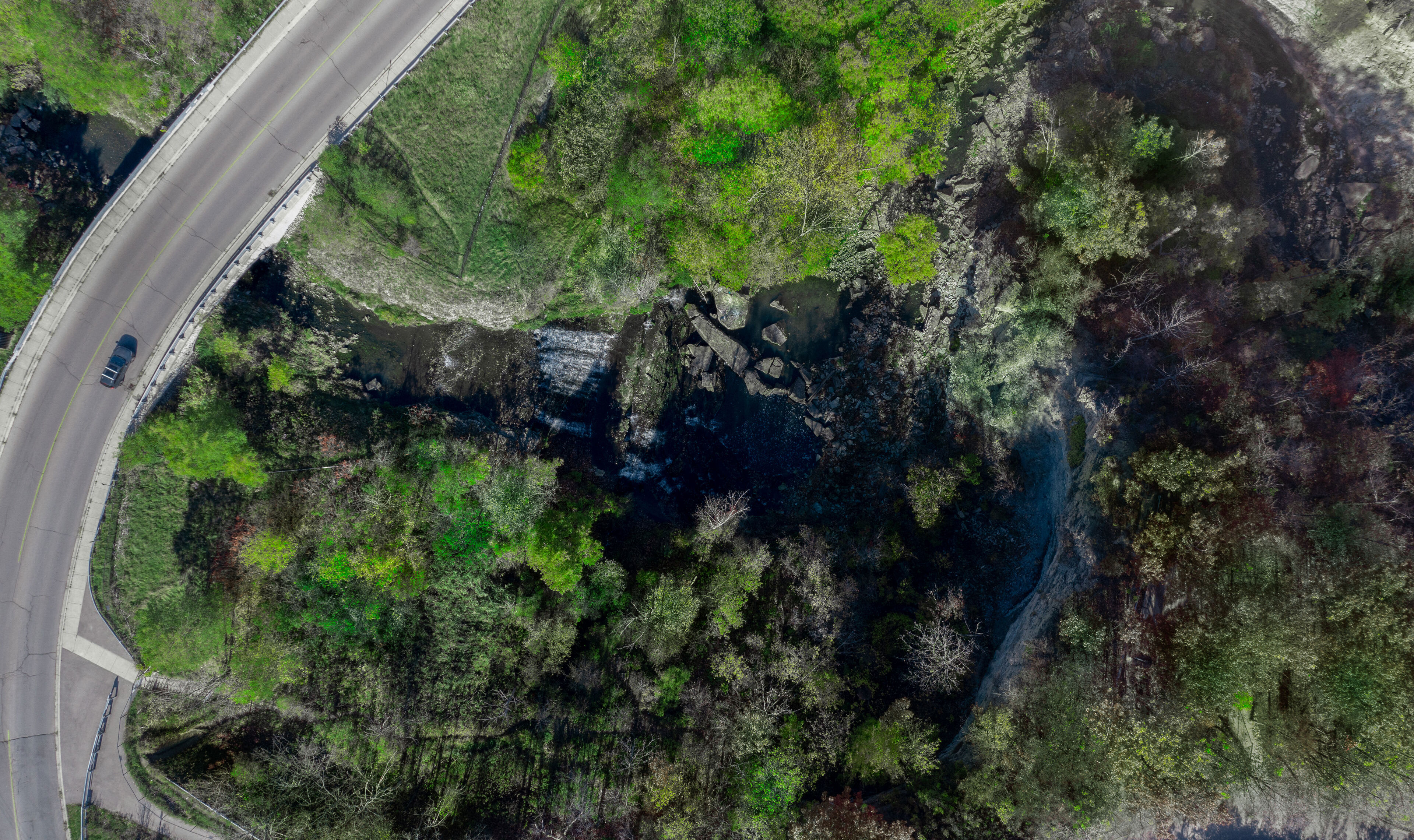
We seek to be a responsible steward of the land and ecosystems around our operations. Protecting biodiversity and ecosystems supports the world’s natural habitats and species, which in turn provide essential services to communities and industries. Their status and protection is closely inter-linked with climate, air quality, land-use change, and water use. Protecting and strengthening biodiversity is an increasingly important priority for ArcelorMittal Dofasco.
Building on our circular economy commitments
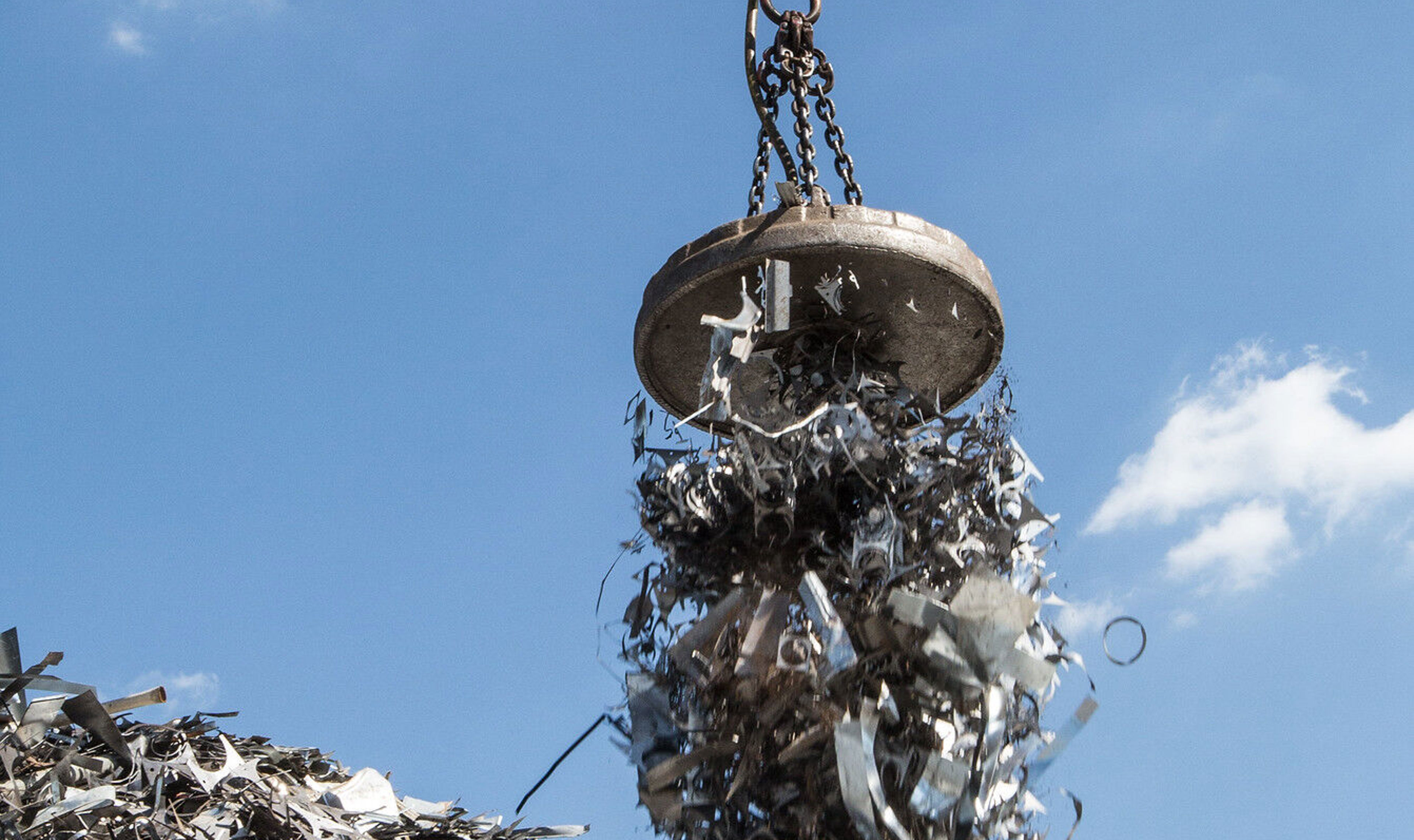
The circularity of steel is already heavily embedded in our business model. Steel as a commodity is endlessly recyclable and its recycling rates are amongst the highest of materials. As part of ArcelorMittal’s wider environmental commitments, our stakeholders want to see reduced impacts from steelmaking and its supply chain, and at the same time, we have an inherent business interest and opportunity in producing steel more efficiently, with less virgin inputs and less generated waste.
ArcelorMittal’s principal approach to circularity as a business is rooted in the three Rs of Reduce, Reuse and Recycle:
Reduce: ArcelorMittal aims to use fewer raw materials, like iron ore, by making our production processes more efficient and by focusing more on strong, long-lasting steels. This helps lower the environmental impact of each tonne of steel we produce, while still meeting customer and market needs.
Reuse: ArcelorMittal is continuing to design and produce our steel products to be reused, and our by-products, such as dust and slag, also to be reused in alternative productive applications, such as construction materials or for infrastructure.
Recycle: Our use of scrap steel to minimizes primary ore use; and we seek to collaborate with customers on circular business models.
Framework of international laws, standards and engagement
Governance of our environmental approach and standards is laid down in our Group Environmental Policy. This sets out a robust framework underpinned by evidence-based decision-making, and continuous improvement across our global operations. It is designed to ensure compliance with evolving regulatory frameworks, including international standards such as ISO 14001. The policy content is currently being updated to adjust to the upcoming and current regulatory frameworks, among others, the Corporate Sustainability Reporting Directive (CSRD) – which ArcelorMittal Dofasco participates in.
Oversight on environmental topics sits within the existing governance structure. ArcelorMittal’s Sustainability Committee reviews strategy and progress, supported by the executive-level Sustainable Development Panel. Transparency and stakeholder engagement are integral to our approach, encouraging open dialogue with our local communities, regulators and partners, to collaborate on solutions that protect shared natural resources.