Health and Safety

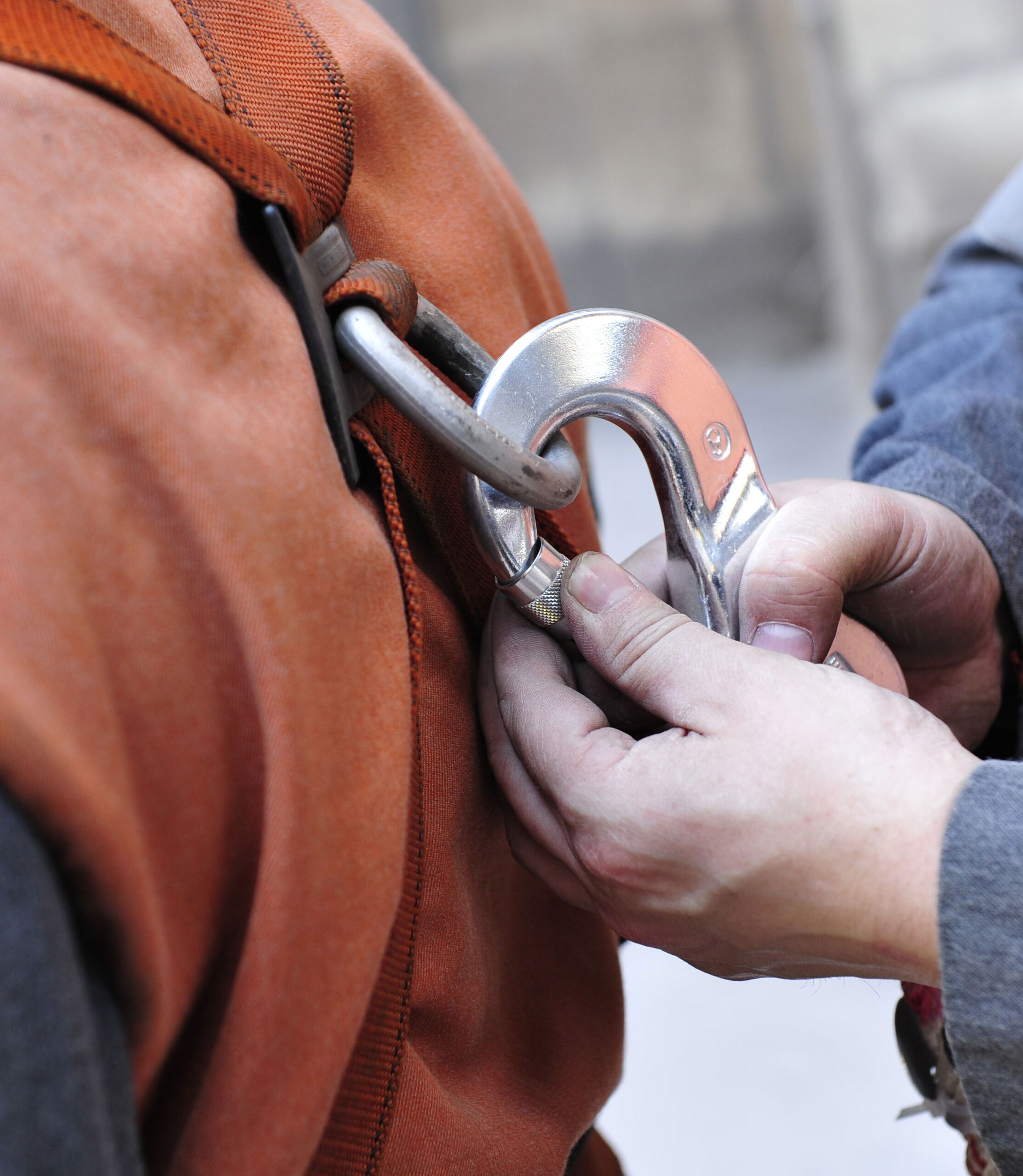
Health and safety (H&S) at ArcelorMittal is about people. Our ambition is that everyone who works with us returns home safely, every day. Building a world-class H&S culture requires care, respect and dignity for our workforce, combined with disciplined safety risk management.
Our strategy:
Our H&S strategy is built around a clear ambition: to embed a strong, consistent safety culture across all our operations, supported by robust risk management of both Occupational Safety and Process Safety. The strategy focuses on prevention rather than reaction. We work to identify risks early, put effective controls in place and continuously strengthen how safety is managed on the ground. Learning, discipline and improvement are central to this approach.
Safety is integrated across our business, from operations and projects to support functions and contractor management. By aligning behaviours, systems and leadership expectations, we aim to reduce variability, reinforce consistency and create lasting change.
Safety Transformation Program:
To accelerate progress and strengthen consistency, in 2025 ArcelorMittal launched a group wide Safety Transformation Program, which supports our journey to be a zero fatality and serious injury company. The program is anchored in two pillars: The first is building One Safety Culture, where the same expectations, values and behaviours apply everywhere we operate. The second is strengthening Safety Risk Management, ensuring that hazards are systematically identified, assessed and controlled before work begins.
A key feature of the program is the use of tailored safety roadmaps. These roadmaps help translate group wide priorities into clear, practical actions at site and business level. They support alignment, clarify responsibilities and provide a structured way to embed improvements over time. The program also strengthens leadership capability, governance and assurance, and the integration of safety into everyday business processes. This includes how we plan work, manage projects, develop people and work with contractors.
Progress to date has shown strong engagement across the organization and growing momentum behind a more consistent, preventative and risk informed approach to safety. As the program continues, the focus remains on embedding these changes deeply and sustainably, so that strong safety performance is standard everywhere we operate.
Governance:
H&S governance at ArcelorMittal is designed to ensure clear accountability, strong oversight and consistent application across the business. Our group wide H&S management system sets the minimum standards and expectations for all operations. It provides the framework through which safety is planned, managed and reviewed. It includes the H&S policy, standards - such as Fatality Prevention Standards (FPS), guidance, training and the life-saving golden rules.
Leadership accountability is clear. At ArcelorMittal Dofasco, leaders are responsible for establishing and maintaining a strong safety culture within their areas and for ensuring that safety requirements are effectively implemented. They are supported by specialist health and safety teams and structured assurance processes. Oversight is provided through multiple levels of review, enabling risks, priorities and progress to be discussed and challenged regularly. This structure supports transparency, learning and continuous improvement, and helps ensure that safety remains firmly embedded in decision making at every level.
To ensure the quality of our management systems, our site is certified to the international health and safety standard, ISO 45001.
Culture of Care:
ArcelorMittal has a global health and safety policy and 10 Lifesaving Golden Rules that outline how we work and use equipment, how we identify and manage risk, how we take responsibility for our own and others’ safety, and how we learn from accidents and near misses.
We aim to create a culture of care in which risks are understood and monitored, best practices are shared, and appropriate action is taken at every level. Employees are trained in relevant fatality prevention standards, ranging from working at height to isolation. Every visitor to a site is expected to follow our 10 Life Saving Golden Rules.
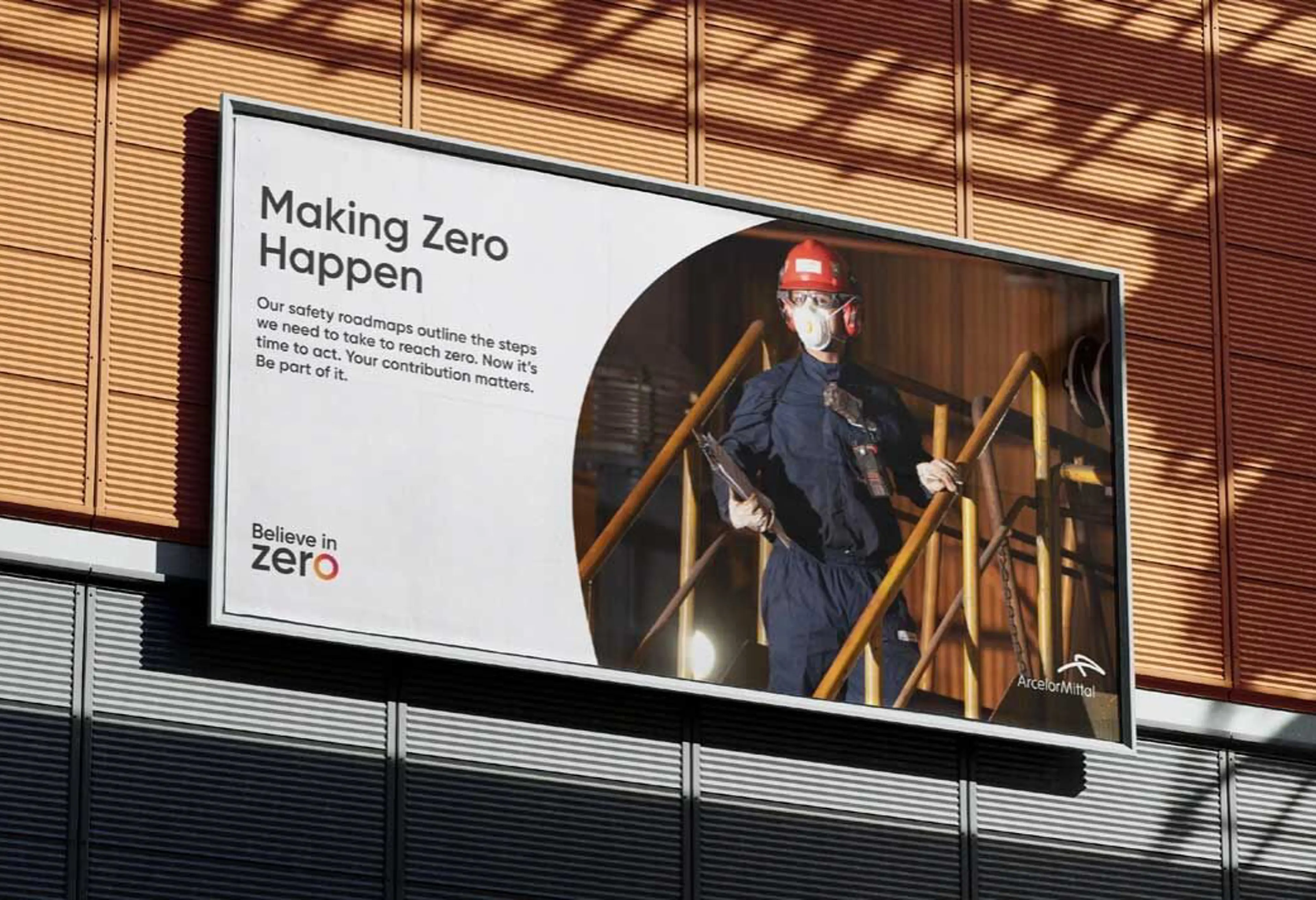
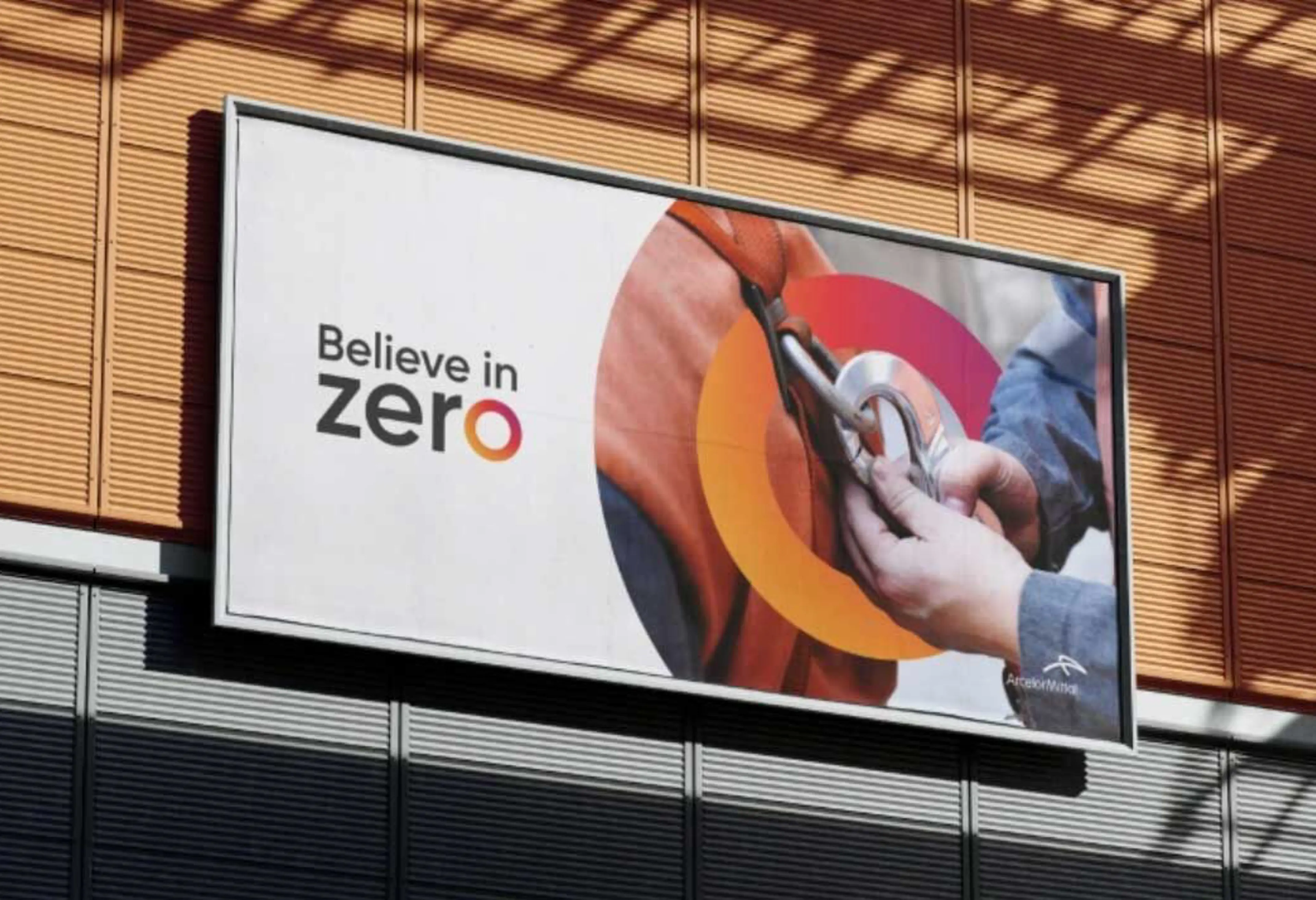
‘Believe in Zero’ and ‘Making Zero Happen’
Believe in Zero is our long-running global internal safety campaign that brings our safety ambition to life. The campaign is built on a simple but powerful idea: if we do not believe that zero harm is possible, we will never achieve it. Belief is the starting point for change. It shapes attitudes, influences decisions and drives behaviour, every day. Believe in Zero was designed to engage, inspire and unite people across the business, from leadership teams to frontline workers, around a shared goal. It encourages everyone to think differently about risk, challenge unsafe norms and recognize their personal role in protecting themselves and others.
The campaign is now in its next phase - ‘Making Zero Happen' - reflecting the actions we must take to reach Zero. More than a communications initiative, Believe in Zero underpins our wider safety journey. It supports our Safety Transformation Programme by reinforcing cultural change, strengthening engagement and keeping safety at the forefront of people’s minds.
In addition to recording Lost Time Injuries (LTIs), we also track near-misses. Our ability to monitor and analyze potential severe injuries and fatalities (PSIFs) is key as it provides a deeper understanding of how near-miss incidents arise and can be avoided. Results show that sites with no fatalities proactively detect and manage twice as many PSIFs as sites with one or more.
By building belief, commitment and action, the campaign phrases - Believe in Zero and Making Zero Happen - help create a culture where people look out for one another, speak up with confidence and work together to make zero harm a reality.